West Lake
西湖 · Xi Hu
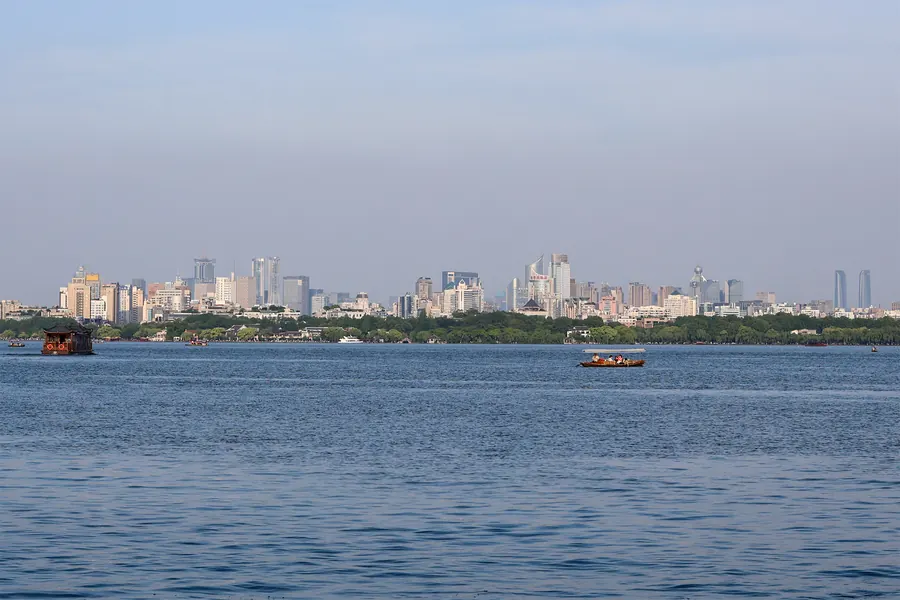
Walk two causeways across a shallow lake with wooded hills on three sides and the city on the fourth.
Read more
A shallow lake with wooded hills on three sides and the city on the fourth, crossed by two causeways and dotted with three man-made islands that UNESCO says were built from dredgings between the 9th and 12th centuries. It was inscribed as a World Heritage cultural landscape in 2011. The shore paths and both causeways cost nothing to walk. What does cost money is the ring of walled parks around the water: the scenic area named 17 paid parks in 2023, and Leifeng Pagoda and the boats charge separately.
How to visit
Tap any line for the details.
Phone 0571-87179617 · Phone 0571-87977767 · Scenic-area booking enquiries for the paid parks: the April 2023 notice gave the first number, the January 2023 notice the second
Did you know
Tap any line for the details.
Still deciding? Compare it here
- Stay at Hubin, Chengzhan / Wulinmen, or by Hangzhou East?Where you sleep in Hangzhou decides whether each morning starts with a walk to the lake or a metro ride, and how easily you reach the canal, Liangzhu and your train.
- West Lake in a Day: What's Free, What You Pay For, How to Get RoundA day at West Lake costs nothing unless you choose to pay: the shore paths and both causeways are free and open all day.
In the same district
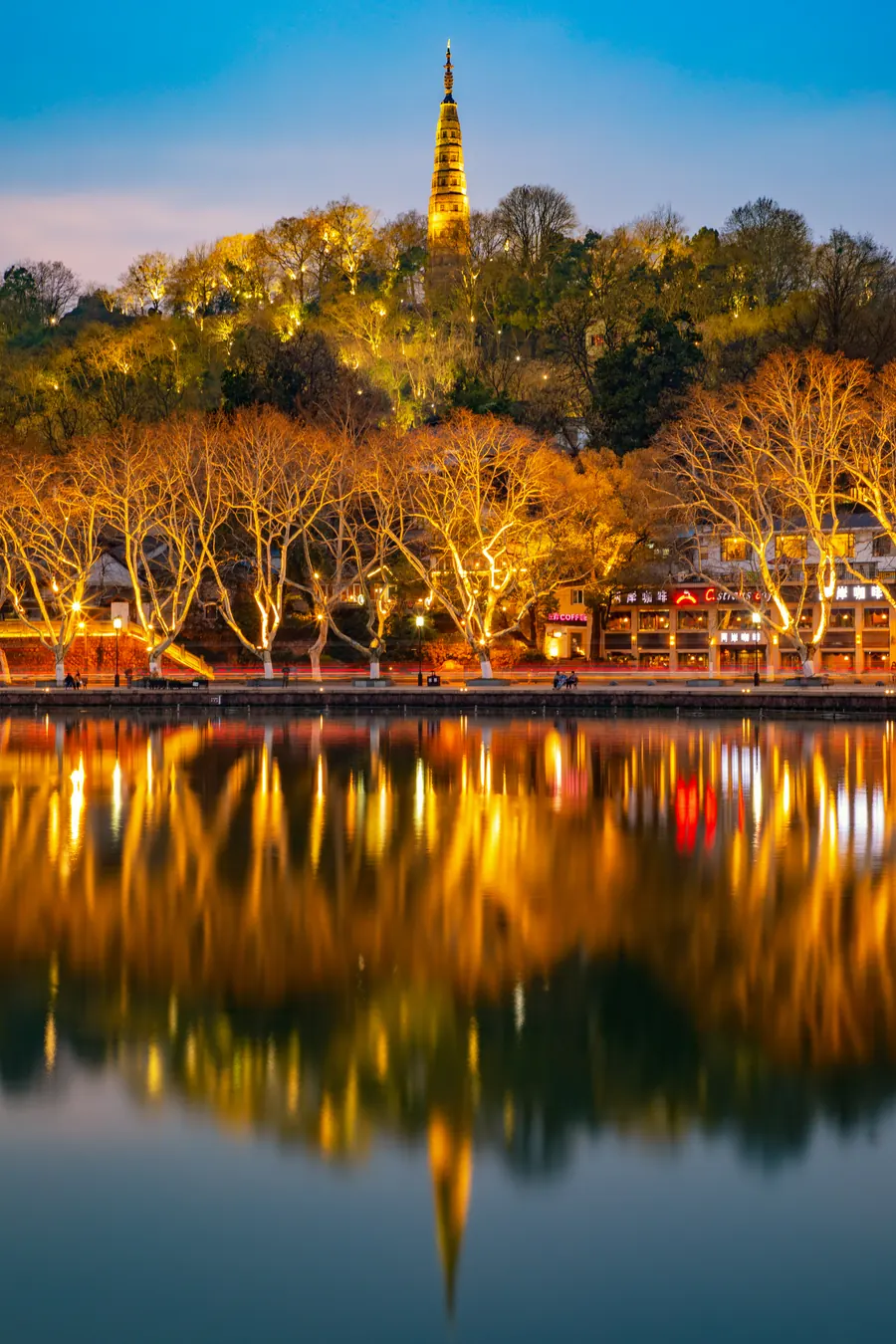
Baoshi Hill and Baochu Pagoda
The hill right behind the Broken Bridge, with the thin Baochu Pagoda on its ridge, the shape you see on the north skyline from almost anywhere on the lake.
View place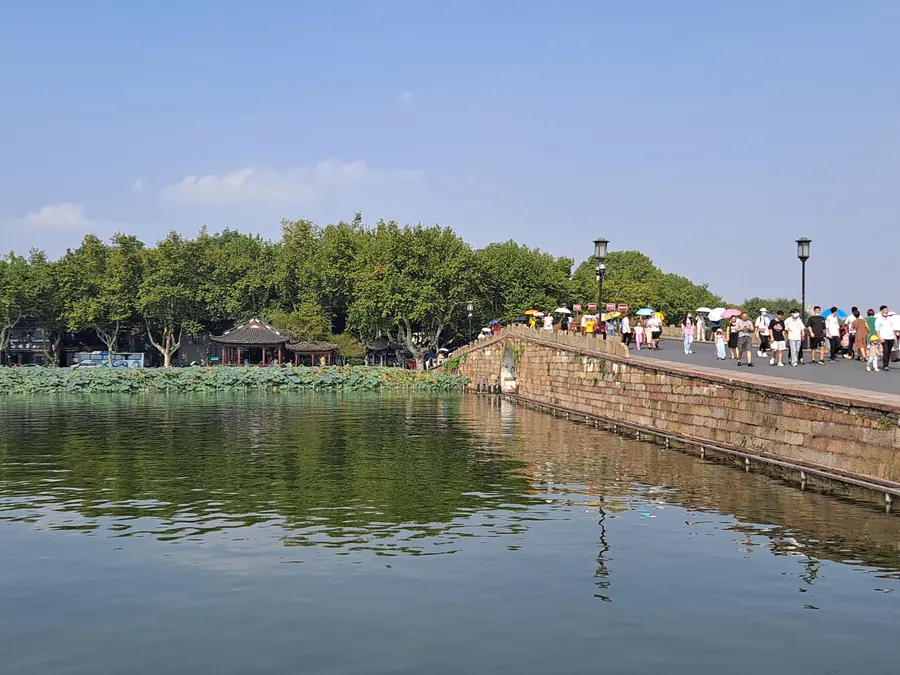
Broken Bridge and Bai Causeway
The north shore's first stop and the lake's most famous bridge: Broken Bridge is where the Legend of the White Snake has Lady White meet Xu Xian, which is why the scenic area calls it the best known of West Lake's three lovers' bridges.
View place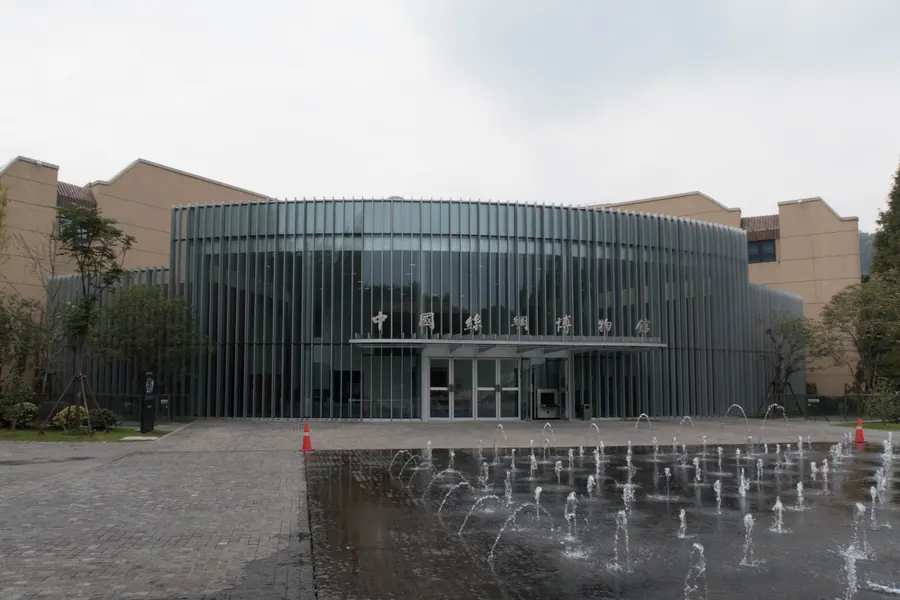
China National Silk Museum
The national museum of silk, opened in 1992 in the foothills of Yuhuang Hill south of the lake, and describes itself as the world's largest silk museum, with close to 70,000 textiles from Han brocades to modern fashion.
View place